

Barham Place isn’t just a neighborhood—it’s a living testament to the unique blend of small-town charm and dynamic progress that has defined Wake Forest for generations. Tucked between the vibrant main streets and tranquil woodlands, Barham Place reflects the history, traditions, and spirit of the community. Whether you’re a longtime resident or a newcomer charmed by its pleasant streets like Barham Drive, this neighborhood offers a deep, welcoming sense of belonging and continuity.
Origins: A Community Rooted in History
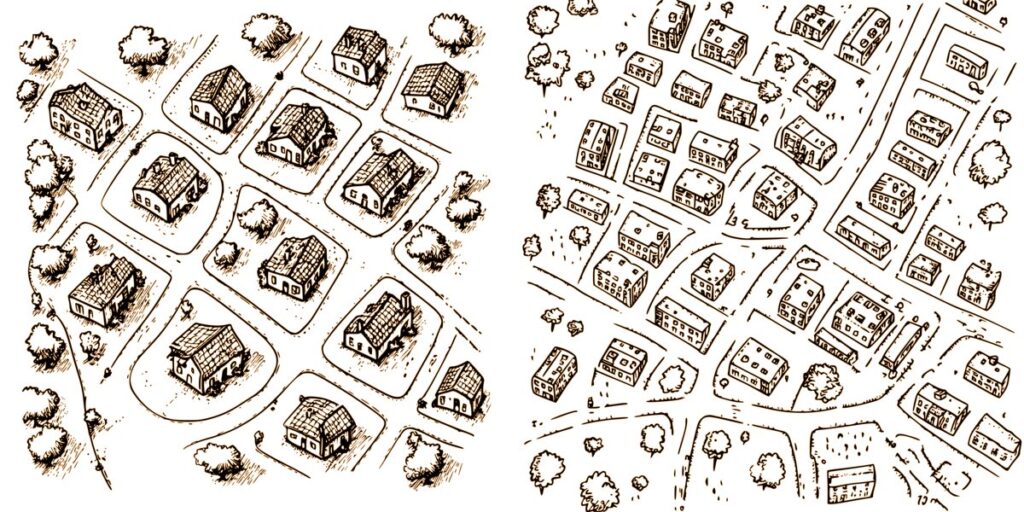
The origins of Barham Place can be traced back to the late 20th century. While many of Wake Forest’s neighborhoods evolved from farmlands and forests, Barham Place was developed during a period of thoughtful suburban expansion. Its layout was carefully designed to foster a close-knit atmosphere, with winding streets and cozy cul-de-sacs perfect for family life.
The naming of Barham Place is a tribute to the Barham family—one of the area’s early landowners and community leaders. The Barhams were active in shaping both the landscape and the culture of this part of Wake Forest, with their values of hospitality and community service woven into the very fabric of the neighborhood.
The Barham Name: Local Legacy and Lasting Impact
The Barham name is familiar to many across Wake Forest, with roots extending back to the town’s earliest days. The family played a central role in the establishment of churches, schools, and local businesses along the rural corridors that have since transformed into residential neighborhoods. Their generosity and leadership are part of the collective memory of the area, and their story continues in the streets and homes of Barham Place.
Residents often recall stories handed down from previous generations—tales of gatherings in old Barham farmhouses, community picnics under majestic oaks, and a quiet pride in contributing to the growth of Wake Forest. These legacies are honored today, not only in the neighborhood’s name but in civic engagement and neighborly support that still flourishes here.
Key Milestones in Barham Place’s Development
The story of Barham Place is marked by milestones that mirror Wake Forest’s own evolution:
- 1980s Suburban Growth: As Wake Forest grew in the wake of Research Triangle Park’s rise, so too did Barham Place. Developers worked closely with town planners to ensure that the new community preserved green spaces and respected the area’s rural heritage.
- Establishment of Neighborhood Associations: By the 1990s, Barham Place had organized its first homeowners’ association, which left a lasting positive mark on the neighborhood’s maintenance, social ties, and sense of safety.
- Revitalization Projects: In the mid-2000s, Barham Place saw renovation initiatives that rejuvenated parks and improved streets like Barham Drive, Heritage Spring Court, and the scenic Meadow View cul-de-sacs, making the neighborhood more welcoming than ever.
- Integration with Wake Forest Amenities: The development of local institutions and improvements in connectivity to downtown Wake Forest enhanced the sense of community and opened new opportunities for residents.
Notable Landmarks and Hidden Gems
Barham Place is largely residential, but its charm is enriched by nearby amenities and neighborhood green spaces:
- Barham Place Park: Tucked along Barham Drive, this quiet park is a beloved spot for children’s laughter and family picnics. Shaded by towering southern pines, it’s a gathering place for block parties and holiday celebrations.
- Historic Oak Trees: Some of the giant oaks lining the entrance to Barham Place, believed to predate the neighborhood, stand as living monuments to the area’s agricultural past.
- Connection to Local Institutions: Proximity to the Jones Dairy Elementary School and Friendship Chapel Baptist Church means that the neighborhood remains linked to Wake Forest’s past and present educational and spiritual heartbeats.
While you won’t find Victorian mansions or centuries-old churches within Barham Place, the authenticity of its heritage is in the little things. The friendly greetings exchanged on evening strolls and the annual spring yard sale—these are the unspoken markers of place and tradition.
Evolution and Modern Life
Barham Place today is a reflection of Wake Forest’s growth—from rural outpost to vibrant, diverse suburb. The houses range from classic Colonial-style homes to more modern designs, demonstrating the neighborhood’s adaptability while retaining a consistent warmth and cohesion.
Community events remain at the heart of Barham Place life. Seasonal block parties, garage sales, and neighborly cookouts keep the social fabric strong. New families, attracted by Wake Forest’s top-rated schools and peaceful lifestyle, bring fresh energy and ideas, blending seamlessly with longtime residents.
Environmental stewardship is also an evolving priority. Efforts to maintain mature trees, adopt native landscaping, and encourage environmentally conscious living echo the early Barham family’s respect for the land.
The Heartbeat of Barham Place
What truly makes Barham Place special is not just its history, but its enduring sense of community. The generations that have lived and thrived here feel deeply connected—to each other, to Wake Forest, and to the gentle rhythms of neighborhood life. It’s a place where
children grow up making lifelong friends on safe, winding streets; where neighbors lend a helping hand during storms or celebrations alike; and where the echoes of shared heritage guide the neighborhood toward a bright, inclusive future.
As new chapters unfold, Barham Place stands as both a gateway and a guardian of Wake Forest’s cherished history—inviting all who wander down Barham Drive to experience the tradition, warmth, and unity that have made this neighborhood home for so many.